Is Perimenopause Making You React to Everything? The Hormonal Histamine Connection
[written by Sunshine Coast Naturopath & PAT Practitioner Janet Haworth]
If you’re in your forties or fifties and suddenly dealing with itchy skin, flushing, hives, sneezing fits, food reactions, or migraines — you’re not imagining it.
Many women in perimenopause develop histamine intolerance or even full-blown mast cell activation syndrome (MCAS), even if you’ve never had allergies before.
To understand why this happens and how Positive Association Technique (PAT) can be beneficial during perimenopause, we need to explore the fascinating hormonal histamine connection – oestrogen and histamine are like dance partners who can either move in perfect harmony or step all over each other’s toes.
Oestrogen and Histamine

Here’s what most people don’t know: oestrogen tells your immune cells to release histamine, and histamine responds by telling your ovaries to make more oestrogen. It’s like a conversation between two systems in your body that can either stay balanced or get completely out of hand.
During ovulation, when oestrogen peaks, histamine levels rise too. This triggers even more oestrogen production, creating an escalating cycle. But here’s the kicker – while oestrogen is ramping up histamine production, it’s also sabotaging your body’s ability to get rid of it. Oestrogen blocks a crucial enzyme called DAO that normally breaks down histamine, like putting a cork in the drain while the tap is running full blast.
The result? Histamine builds up in your system with nowhere to go.
Progesterone, The Natural Anti-Histamine?

Fortunately, progesterone swoops in after ovulation like the calm, sensible friend who breaks up a fight. Think of progesterone as your body’s natural antihistamine – it tells those overexcited immune cells to settle down and stops the excessive histamine release that oestrogen was encouraging.
Progesterone is like having a good bouncer at the door. It calms your nervous system, reduces inflammation, and essentially tells oestrogen to stop stirring up trouble. It even helps unblock that drain we talked about, allowing your body to clear histamine more effectively.
When progesterone is doing its job properly, it keeps the oestrogen and histamine conversation civilized. But here’s where the hormonal histamine connection gets tricky in perimenopause…
Why Issues often Start During Perimenopause

Perimenopause is like a 4-10 year renovation project that nobody asked for – messy, unpredictable, and happening whether you’re ready or not. It officially ends when you’ve gone a full year without a period (hello, menopause!), but the journey there can feel like a hormonal roller coaster.
It all starts quietly in your late thirties or early forties when progesterone – remember, your calm, sensible friend – begins to slip away. This is the first domino to fall, but most women don’t notice because the changes are subtle at first. That trouble sleeping? The random anxiety? Cycles getting wonky? We blame stress or getting older, not realizing our hormones are starting their grand exit.
As progesterone continues its slow retreat, oestrogen loses its mind completely. Instead of the gentle monthly rise and fall you’re used to, oestrogen starts throwing tantrums – massive surges followed by dramatic crashes as your ovaries struggle to do their job with aging equipment.
Here’s where it gets messy: when you don’t ovulate (which happens more and more), you get zero progesterone for that entire cycle. Meanwhile, oestrogen might calm down a bit in the second half of your cycle, but without progesterone there to keep it in check, it’s like having that stirring friend at the party with no responsible adult supervision.
The result? Oestrogen dominance throughout your entire cycle – high and dramatic in the first half, then moderate but completely unopposed in the second half. Your poor immune cells are stuck in this heightened, unstable state for weeks at a time, with no progesterone bouncer to tell them to calm down.
For some women, it means they have oestrogen running the show 24/7 with no progesterone to keep it in line. It’s like having an overenthusiastic party host who never knows when to call it a night. Your poor immune cells are stuck dealing with this non-stop stimulation, getting more and more wound up with no relief in sight.
Signs & Symptoms of Histamine Issues

Remember how oestrogen tells your immune cells to dump histamine? Well, now it’s doing this constantly. Meanwhile, your body is frantically trying to clear all this excess histamine, but it’s like trying to empty a bathtub with a teaspoon while someone’s running the taps full blast.
For other women, they can just keep it in check, and maybe have flares around ovulation or just before their period, but when histamine builds up faster than you can clear it, it doesn’t just stay in one place – it travels everywhere, causing chaos throughout your body:
- Your skin breaks out in hives, rashes, or that maddening itch you can’t explain
- Your brain gets hit with migraines, anxiety, sleepless nights, and that foggy feeling where you can’t think straight
- Your breathing becomes a nightmare of sneezing, congestion, and sudden hay fever symptoms
- Your gut rebels with bloating, reflux, nausea, and foods that never bothered you before
- Your heart starts doing the jitterbug – palpitations, dizziness, hot flashes, and blood pressure swings
- Your periods become a monthly horror show of heavy bleeding and cramping
This is why so many women in perimenopause suddenly feel like they’ve developed allergies to everything under the sun. It’s not that the world became more toxic – it’s that your body is drowning in histamine with nowhere for it to go.
The Hormonal Histamine Connection and The Gut

While hormonal chaos might seem like the obvious villain here, your gut is actually the puppet master pulling the strings behind the scenes. Think of your gut as the body’s waste management system and histamine control centre rolled into one – when it’s not working properly, everything goes haywire.
A healthy gut acts like an efficient garbage collection service for your hormones. It packages up used oestrogen and ships it out of your body, no questions asked. But when your gut microbiome is out of balance (hello, dysbiosis and SIBO), two things go wrong.
First, your gut stops producing enough of that crucial DAO enzyme we talked about – the one that breaks down histamine. It’s like firing half your cleanup crew right when you need them most.
Second, and here’s where it gets really sneaky – some problematic gut bacteria start producing an enzyme that’s like a reverse garbage truck. Just when your body has nicely packaged up used oestrogen for removal, this enzyme comes along and unpacks it, sending it right back into circulation. It doesn’t happen to everyone with gut issues, but when it does, you’re suddenly dealing with even more oestrogen floating around your system.
So now you’ve got a double whammy: less ability to clear histamine AND more oestrogen to deal with. No wonder perimenopause feels like your body has declared war on itself.
Nervous System Dysregulation during Perimenopause

And here’s where stress crashes the party. When you’re chronically on edge, your immune system becomes like an overzealous security guard – jumpy, reactive, and ready to sound the alarm at the slightest provocation.
Your mast cells start releasing histamine at the drop of a hat, making you react to foods, pollens, or even your own hormonal shifts more intensely. It’s like throwing fuel on an already burning fire.
Stress doesn’t just amplify histamine reactions – it also sabotages your gut health and crushes your ability to make progesterone, creating a perfect storm of dysfunction.
While fixing the physical foundations – gut health, hormonal balance, and inflammation – is absolutely crucial, there’s another piece of the puzzle that often gets overlooked: your nervous system.
When women develop new sensitivities during perimenopause, they frequently develop what I call ‘anticipatory reactivity‘. Simply worrying about having a reaction can actually trigger your mast cells to release histamine before you’ve even been exposed to anything.
Your nervous system becomes hypervigilant, constantly scanning for threats and keeping your body in a state of inflammatory alert. This not only makes existing reactions worse but can also lower your threshold for developing new sensitivities.
The Benefits of Positive Association Technique (PAT) during Perimenopause

This is where approaches like Positive Association Technique (PAT) become valuable. PAT works by retraining your nervous system’s response to triggers. Instead of your body immediately going into panic mode when exposed to problematic substances, PAT helps create new pathways that associate these triggers with calm rather than chaos.
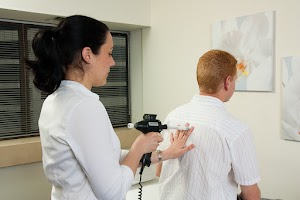
The technique uses kinesiology to assess your reactions and gentle acupressure to help guide your body into a relaxed state while holding onto a sample of the triggering substance. Over time, this helps break the cycle where fear of reactions creates more reactions, which creates more fear – particularly valuable for perimenopausal women whose nervous systems are already stressed from hormonal chaos.
If you’re recognizing yourself in this description, understand that you’re not broken. When hormonal changes overwhelm your body’s natural balancing systems, developing histamine intolerance is your body asking for support, not failing you.
The good news? Understanding the hormonal histamine connection gives you a clear roadmap. Address the foundations – gut health, hormonal balance, stress management, and nervous system retraining – and you can significantly improve your histamine tolerance and quality of life.
Every woman’s perimenopause is different. Some need to focus on gut healing first, others require hormonal support or nervous system work as their starting point. The key is working with health care practitioners who understand these interconnections and can create a personalised approach using the right combination of support.
With proper support, you can navigate this transition more smoothly and often emerge feeling healthier and more vibrant than you have in years.

Written by Sunshine Coast based Naturopath & PAT Practitioner Janet Haworth.
You can learn more about Positive Association Technique (PAT) in our Free PAT Information E-Pack, or call our head office on 1300 853 023 (Aus) / 09 479 5997 (NZ).
Visit Janet’s website for further information on Naturopathic support during perimenopause and beyond.