Histamine and Anxiety; Can Histamine Impact your Mental Health?
If you’ve ever suffered the annoyance of hay fever or hives, like many of our Positive Association Technique (PAT) clients, you might be familiar with histamine by way of its nemesis – antihistamines.
We often turn to these to help control the itching, swelling, redness and phlegm production triggered by things like pollen, dust, cats and certain foods.
We mostly think of histamine for its role in immune activation, raising the red flag when there is a perceived threat and calling for an inflammatory response to help the body deal with it.
But histamine is so much more than that.
What many people don’t realise is that histamine has four different receptors around the body – H1, H2, H3 and H4 – which means it has a huge range of effects, from influencing stomach acid, blood vessel dilation, hormone release, temperature control, satiety, energy levels and most interestingly, your mental health.
Histamine as a Neurotransmitter

Histamine also works as a neurotransmitter, a chemical messenger which carries signals from one nerve cell to another.
Nerve cells which produce histamine are exclusively made in the tuberomammillary nucleus within the hypothalamus, and from there project throughout the brain.
Plus, histamine influences the release of other neurotransmitters such as serotonin, dopamine, noradrenaline and GABA. All of this is important because it means histamine is involved in a variety of nervous system functions including:
• Learning
• Cognition
• Memory
• Attention
• Mood regulation
• The stress response
• Alertness
This helps explain why histamine has been linked to conditions such as narcolepsy, Alzheimer’s, ADHD, Parkinson’s, and schizophrenia.
One of histamine’s biggest roles is in the sleep-wake cycle. It stimulates alertness in line with circadian rhythms: production of histamine is increased when we are awake, reduced when we are relaxed and significantly less when sleeping. This is why some antihistamines make you drowsy – they block histamine attaching to the receptors which would normally cause alertness.
Histamine Intolerance; When the Bucket Overflows

As you can imagine, with such far-reaching and important effects, an imbalance of histamine doesn’t go unnoticed.
Histamine intolerance happens when the body can’t efficiently manage and clear the accumulated load of histamine – from allergies, internal production and ingestion through food.
The bucket analogy is handy to explain this: when histamine clearance is insufficient, the histamine builds up in a metaphorical bucket, which can overflow into symptoms. Due to the wide spread effects of histamine, symptoms can be all over the place:
• Anxiety, depression, brain fog, difficulty concentrating
• Insomnia, fatigue
• Headaches, migraines, dizziness
• Bloating, diarrhoea, reflux, nausea, abdominal cramps
• Sinus congestion, sneezing, difficulty breathing
• Hives, itchy skin, flushing, rashes
• Heavy periods, painful periods
• Postural hypotension
• Joint pain, swelling
Histamine intolerance is also more common in women, thanks to the close relationship between oestrogen and histamine where they spur each other on: histamine triggers oestrogen production and high oestrogen stimulates histamine release.
So, if you’ve noticed more headaches, insomnia, congestion or flushing when oestrogen is peaking around ovulation and before your period, histamine could be to blame.
How Allergies Can Tip the Histamine and Anxiety Balance

Every time you react to an allergen – pollen in spring, the cat next door, the food that makes you itchy – it triggers the release of more histamine, building up levels in the bucket.
At the same time, if the body struggles to keep up with the clearance of histamine, the bucket can overflow and seemingly out of nowhere the sneezing starts, the rash flares, anxiety spikes or digestive symptoms worsen. Inflammation also occurs, which further impacts other health conditions like depression, joint pain and period trouble.
Histamine, the Gut Microbiome and Your Mental Health

We’ve talked about histamine being produced by immune cells and also in the brain, but your gut microbiome plays its part too.
Histamine-producing gut bacteria
Certain strains of bacteria in the gut produce more histamine than others, if you have more of these particular gut bugs, this can contribute to the overall load of histamine in your bucket. We can help reduce histamine-producing bacterial strains in the gut by consuming a variety of plant-based foods. This feeds a wide variety of beneficial bacteria and helps crowd out problematic ones.
DAO is made in your gut
Diamine oxidase (DAO) is a major enzyme involved in breaking down histamine that we eat. This enzyme is produced in the gut lining, so factors influencing gut integrity can also influence histamine balance – think irritable bowel syndrome (IBS), small intestinal bacterial overgrowth (SIBO), imbalances in gut bacteria (dysbiosis), food intolerances, infections and even stress.
Your gut makes neurotransmitters too
The gut microbiome also produces other neurotransmitters such as serotonin, GABA,
acetylcholine and dopamine. Not all of these are able to cross the blood-brain barrier but they do act on the enteric nervous system of the gut – including the vagus nerve – and influence building blocks to produce neurotransmitters in the brain, like tryptophan for serotonin production.
This is just another reason why gut health and mental health are so intertwined, and why histamine imbalances can affect so many mental health symptoms.
Is Histamine causing your Anxiety?

As you can tell by now, histamine shows up all over the body, so it can be tricky to pinpoint. Here are some clues that histamine might be a problem:
- You feel like you are reacting to every food, or fine with a food one day and not the next (when levels of histamine have accumulated).
- High histamine foods make you feel worse. These include fermented foods & drinks (e.g. sauerkraut, kombucha, beer), hard cheeses, processed meats, alcohol, bone broth, chocolate, citrus, avocado, smoked and canned fish.
- Symptoms are linked to your menstrual cycle
- Antihistamines are helpful short-term
Keeping a diet diary or trialling a low histamine diet for a few weeks can help provide some insights.
You can also obtain a comprehensive list of foods that contain histamine from us HERE.
Do Antihistamines Treat Insomnia?

Many people turn to antihistamines for their drowsy effects when they have trouble sleeping. They work because they block histamine receptors but this comes with side effects too, including:
- Poor sleep quality – interfering with essential REM sleep
- Grogginess
- Urinary retention
- Dry mouth
- Sleep walking
- Tolerance can be reached quickly (higher doses are needed)
This is why addressing the cause – stress, histamine imbalance, hormones, gut issues – is always the best solution, particularly for long term results.
Addressing Histamine and Anxiety Issues with PAT & Naturopathy

Positive Association Technique (PAT)
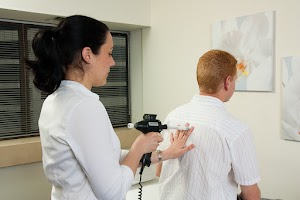
PAT helps re-train the body’s response to triggers using kinesiology, acupressure and positive conditioning. By calming reactivity we can reduce the production of histamine, lightening the load on your bucket.
Learn more about Positive Association Technique (PAT);
- in our PAT Information E-Pack
- Call our office on 1300 853 023 (Aus) / 09 479 5997 (NZ)
- Email us at clinics@naturalallergytreatment.com.au
Naturopathy
A Naturopathic assessment looks at why histamine is high in the first place, exploring a range of possible causes such as:
- Gut issues
- Hormone imbalances
- Genetic mutations (e.g. MTHFR)
- Nutrient deficiencies
- Mould exposure
- Medications (even some antihistamines can reduce DAO!)
Alongside addressing the cause, naturopaths may utilise specific nutrients to reduce histamine production and improve clearance, such as increasing DAO production to break down histamine. First line nutrients for this include:
- Quercetin
- Vitamin C
- Vitamin B6
- Nettle leaf tea
- DAO enzymes
- Gut support
Learn more about Leila’s Naturopathic approach on her website – https://leiladiquinzio.com/
At-Home Tips for Managing Anxiety

Anxiety is a common symptom of histamine imbalance and is also deeply connected to gut health. As well as investigating and addressing histamine, a range of tools are available to help reduce anxiety, calm the nervous system and improve emotional resilience.
Self-care & mindfulness daily
This looks different for everyone and should be something you generally enjoy. Whilst sitting in meditation is undeniably beneficial, like going to the gym, it is a muscle which needs to be patiently trained. Other activities can also be forms of meditation, you might enjoy:
- Paint-by-numbers
- Colouring in
- Going for a walk with full attention on your environment
- Taking a bath
- Deep focused breathing for a few minutes, like 4×4 or 4-7-8 breathing
Whichever form you choose, coming back into your body and creating some space in your mind is a great way to take a break from the chatter.
Movement
A great release for the nervous system, some people enjoy a run or boxing session whereas others do better with breath-centred yoga. The key is you should feel good afterwards, not wiped out.
Nutrients & herbs
These can be great to use short-medium term and also have on hand to calm an overactive nervous system when life get overwhelming. It is always important to consult a qualified prescribing practitioner before taking herbs and nutrients, to make sure they’re safe and right for you.
- Magnesium
- B vitamins
- L-theanine
- GABA
- Lavender
- Lemon balm
- Chamomile
- Passionflower
- Kava
Support network
Everyone needs a support network in place – friends, family, helplines or a trained therapist.
When your self-care stops working or anxiety feels unmanageable, that’s a sign it’s time to reach out.
Does This Resonate?
If the symptoms described in this article sound like you – especially if your symptoms improve when taking antihistamines or you don’t tolerate high histamine foods well – it might be time to explore whether histamine imbalances could be contributing to your mental health.
Remember, you’re not in this alone. A qualified practitioner can help investigate the root cause and create a personalised plan to get you back to feeling calmer and more like yourself again.

Written by Leila DiQuinzio
Melbourne based Naturopath, PAT Practitioner and Co-founder of Aēsara Health.
Please note that this blog contains general information only. Always consult your health care professional before making any changes to your diet or lifestyle.