Candida Overgrowth and Allergies
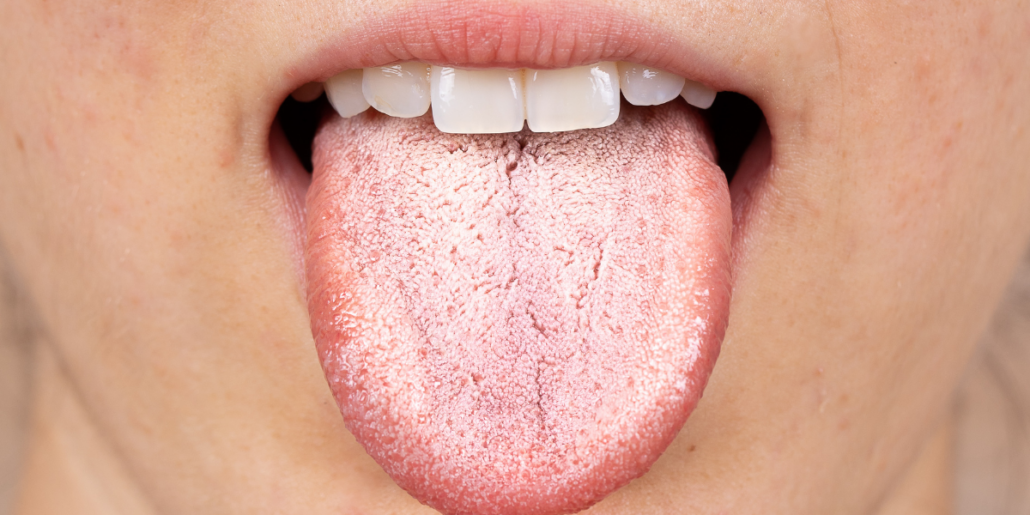
If you’ve experienced ongoing health issues, like many of our Positive Association Technique (PAT) clients, you may have been told you have a candida overgrowth at some point.
Candida has been talked about in the health space for many years now, which has given rise to some confusion and misconceptions.
In this article I’ll share what needs to happen for candida to become an issue, the types of testing available (including the questionable ‘candida spit test’), it’s connection to allergies and food sensitivities and the ways you can support your body to keep everything in balance.
What is Candida?

Candida is a yeast (which is officially classified as part of the fungi group), that is a normal inhabitant of the human body.
We can find candida on areas of the body that have a mucosal lining, like in the gut, urogenital areas or in the mouth.
It thrives in nooks and crannies, especially where there are two opposing skin surfaces like under your arms. These areas provide that moist environment it loves.
The skin here can become damaged or chafed, which allows Candida to colonise more easily. It’s not found much on dry skin areas.
The presence of candida is normally well tolerated by the immune system and is easily kept in check by a healthy microbiome.
Our commensal bacteria will keep candida levels under control mainly by competing with candida for real estate in your body.
If the good bacteria are robust in numbers, they’ve taken over the neighbourhood and there are only one or two vacant lots left for the candida to live in.
Trouble can occur when we have beneficial bacteria moving out, for example, because of antibiotics or a diet high in processed food with little fibre to feed them. The numbers of beneficial bacteria have declined and there are now more empty houses to move into.
Candida being the opportunistic character it is, will move right on in and bring its extended family with it!
Symptoms of Candida Overgrowth

Symptoms of candida overgrowth usually presents on a mucosal lining or the skin as;
- itching
- burning
- discharge
- general soreness and irritation
- white patches may be visible in areas like the mouth
The symptoms will depend on where the candida infection is. People report lots of digestive symptoms like bloating and food sensitivities if they have candida overgrowth in the gut. If an infection is left unchecked, this can place quite a burden on the immune system and may cause fatigue.
Previously, candida infections have been talked about as systemic however in reality you would be so sick that you would need hospitalisation. This is more likely to occur in patients who are severely immunocompromised and would involve internal organs like the lungs.
Testing for a Candida Overgrowth

There is a candida test at home that people use called the candida spit test.
Now I have never used this test in my clinic and don’t know of any naturopaths who do. I don’t believe this to be an accurate way to test for candida at all.
The test believes that spitting into a glass of water first thing in the morning will reveal you have a candida problem if the spit grows legs. First of all, the saliva can naturally be thicker than water, especially if you are dehydrated after a night of sleeping.
Secondly, saliva also contains mucous and the thickness of this can be influenced by all sorts of things, including temperature. That’s leaving too many variables open to chance for me to want to use that test.
More reliable methods of diagnosis include a swab and culture test where a sample is taken and viewed under a microscope to identify the organism or it is cultured to see which organism grows.
A stool test like the Microba one will also show if candida is living in the gastro-intestinal tract in large numbers.
What causes a Candida Overgrowth?

Humans have had a long relationship with yeast. We use them a lot in our foods such as baking and breads. In fact we use a lot of different foods from the fungi family like mushrooms and mould for cheeses.
So generally they have been a big part of our lives and well tolerated. There are apparently around 70 000 species of fungi and only 300 are known to us as pathogenic.
A useful way to think about that, is that it’s not them it’s us! What I mean by that is there has to be a change within our physiology or lifestyle for them to cause a problem for us.
Some of those factors are definitely lifestyle ones. If we have a diet full of processed foods or one that is high in sugar (candida has a sweet tooth), our commensal bacteria suffer and candida has the opportunity to grow.
Studies have found that people with Type 1 and Type 2 diabetes have higher rates of candida colonization in the mouth compared to patients without diabetes.
Too much glucose in the blood can increase the amount of glucose found in the saliva. And even with a robust population of good bacteria, Candida can multiply with those higher levels of glucose.
Further to this, high glucose levels can suppress the killing capacity of our neutrophils who are our white blood cells fighting infection for us. And finally, sugars like glucose, maltose and sucrose allow a greater adhesion of candida to the epithelial cells in the mouth (and throughout the body).
Hormones can play a big role in our ability to keep candida in check. Post menopause, the decline in oestrogen and mucous production changes the microbiome of the vagina and our commensal bacteria decline.
This can pave the way for opportunistic overgrowth of organisms like candida. Being on the oral contraceptive pill can also predispose to candida infections in the vagina due to hormonal changes.
Does Candida cause Food Sensitivities?

Candida seems to have an impact on our ability to tolerate different foods. Candida can infiltrate and promote the degranulation of mast cells. This means the body may be mounting an allergic response to something that should be considered harmless.
Mast cells work for our immune system and normally help to support gut barrier integrity (3). If they are activated for example, by the candida, the mast cell releases substances like histamine which can weaken the tight cell junction that is maintaining that gut barrier integrity. (2)(4)
The presence of a candida overgrowth in the gastrointestinal tract could be increasing your sensitivity to different foods. And you may also be experiencing some of those other symptoms which can be attributed to this mast cell activation and poor gut integrity like bloating, headaches, loose stools and skin rashes.
Sometimes other proteins in other substances are very similar to the original substance the immune system is reacting to, like candida, and trigger the same immune response.
People with candida sensitivity may find they can’t tolerate other foods like alcohol, fermented foods, mushrooms or bread because they contain yeast and proteins similar to the candida in the gut.
Positive Association Technique (PAT) can be especially useful in these cases to help provide relief from these reactions and minimising histamine production, alongside long-term management with dietary and lifestyle changes.
Preventing Candida Overgrowth

If you have experienced candida overgrowth after a course of antibiotics, then some work to improve the general robustness of your microbiome would be warranted. To encourage long term health, looking after that microbiome is always a priority.
I would also urge that you seek the help of a naturopath (which all of our PAT practitioners are) to work on that candida infection and the general health of your microbiome.
There are a lot of products readily available on line and marketed as anti-fungal or anti-candida but some of these are wiping out everything.
So what happens if we wipe out our good bacteria? Opportunistic organisms like candida are going to move right back in!
A better approach is to treat with discernment and build up overall health at the same time.
Firstly, always feed that microbiome. Foods with lots of fibre and colour. The fibre in our foods, especially fruits, veggies and legumes will feed our beneficial bacteria. Brightly coloured foods provide us with polyphenols, or antioxidants which are also used as food by our beneficial bacteria. If we have good populations of them they will naturally keep candida out of the neighbourhood.
If you do need to take a course of antibiotics, ensuring your beneficial bacteria have enough food is even more important. You could even use a fibre supplement like PHGG during this time and afterwards. Fermented foods during antibiotics are essential (and always, I would argue!)
Gentle antifungal foods like garlic will help reduce the candida but won’t wipe out your beneficial bacteria. Pau D’Arco tea can also be really useful. (1)
If you feel that candida is a significant problem for you, Work with a naturopath or herbalist who can help treat this without harming your beneficial bacteria. Having some PAT sessions alongside this work will also help relieve your food sensitivities and keep your diet varied.
Microbiome Friendly Recipe

To finish, here is one of my favourite recipes below which just happens to contain a good dose of garlic and oregano which are effective against candida combined with some polyphenol rich foods and resistant starch to keep the microbiome well fed. This would be a recipe to eat on a regular basis to keep the gut happy.
If you did have an acute candida infection, I would probably leave the potato and sweet potato out and make it more of a greens salad with dressing instead.
Warm Roast Vegetable Salad
- 500g potato chopped (I like to leave the skin on for extra fibre)
- 500g sweet potato chopped
- 4 peeled garlic cloves
- 2 Tbs olive oil
- 1 red capsicum, sliced into thick strips
- 1 red onion, cut into thin wedges
Throw all of these ingredients into a roasting tray and bake for about 30-45minutes at 200*C
Dressing
- 2 Tbs lemon juice
- ¼ cup olive oil
- 2 tsp wholegrain mustard
- 1 clove garlic, minced
- 2 Tbs fresh oregano leaves
Combine in a jar and shake with the lid on to mix well.
Assemble salad by putting the roast veggies into a bowl. Add 80g rocket leaves and ½ cup of toasted pine nuts. Pour over the salad and enjoy!
When you eat the leftovers the next day, the resistant starch in the potato and sweet potato would have increased!

Written by Fiona Joiner – Canberra Naturopath & PAT Practitioner
Fiona is a degree qualified Naturopath who specialises in gut health in her private practice, as well as Positive Association Technique (PAT), in Woden, Canberra.
Please note that this blog post contains general information only. Always consult your health care professional before changing your diet, starting new supplements or regarding any medical condition.