How to Eat 30+ Plant Foods a Week with a Sensitive Stomach
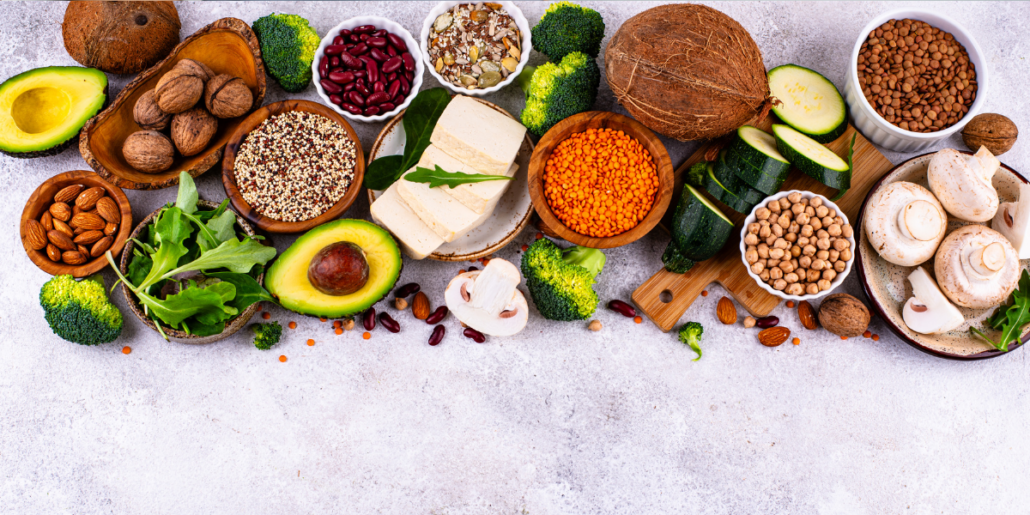
Have you been hearing that you should eat 30 plus plant foods per week? I’d love to share with you why this is becoming a new health trend (that I actually love) and give you some practical strategies for how to implement this into your life.
If the thought of eating that many different foods sends your tummy into a panic attack, I have some strategies, including utilising Positive Association Technique (PAT) to help ease that transition too!
The 30 Plant Foods a Week Trend

It started with a study done back in 2018 called “The American Gut Project” which collected information about what people were eating and then analysed their stool samples.
They found that people who were eating more than 30 different types of plant foods each week were more likely to have specific beneficial bacteria such as Faecalibacterium prausnitzii than those who ate just 10.
Their stools also contained higher levels of short chain fatty acids (SCFA), made by the bacteria.
These short chain fatty acids are substances such as acetate, butyrate and propionate. We are still learning about them, but they seem to come with a whole host of benefits for us!
They can help with fat metabolism, reduce inflammation, may help with insulin resistance, and help to prevent colon cancer.
What the short chain fatty acids also do, is create an acidic environment in the colon. This further supports the growth of beneficial bacteria whilst inhibiting pathogenic bacteria.
Our colon cells also use short chain fatty acids for energy. Butyrate in particular, helps with gut barrier function, by supporting the formation of tight junctions between the cells.
A strong intestinal gut barrier in turn, helps support a healthy immune system by moderating that immune system response and reducing inflammation.
The Benefits of Fibre and Polyphenols

Eating a wide variety of plant based foods provides us with lots of different types of fibre and plant chemicals known as polyphenols. And what the fibre and polyphenols are doing is providing our gut microbiome with food.
When a population has lots of food and a nice home to live in, the population thrives! When we have that lovely robust microbiome, our health is positively influenced in a myriad of ways.
Studies have been able to link a higher diversity of the gut microbiota to a lower incidence of Type 2 diabetes, a higher level of high density HDL (the preferable type of cholesterol) and lower level of VLDL (the type we would rather not have).
It has also been found that those eating the greater range of different fruits and veggies had health benefits like a lower rate of weight gain and the lowest levels of perceived stress.
Microbiome diversity helps with metabolic health, immune system health (think autoimmune disease) and mental health. A diverse and healthy microbiome is also going to influence our gut and digestive health. So this can have an impact on diseases like Inflammatory Bowel Disease and Irritable Bowel Syndrome.
That’s a nice long list of benefits!
Tips for Tracking your Plant Food Intake

So how do we measure that we are eating 30 plants a week? At the moment ,there are no standardized assessment tools for this, and there can be some different interpretations of how to count this. (1)
Basically, we need to be eating a variety of food from a range of different plant based categories. The food needs to have been grown and I would argue, not heavily processed. The different groups of foods that count include fruit, vegetables, grains, legumes, herbs, spices, nuts, seeds, plant based fats like olive oil, herbal tea, and coffee.
We also need to consider how much of a food you may need to eat for it to count. Does a sprinkle of basil on the top of my tomato salad count or does it have to be a bigger serving size? Counting plant foods is based on self assessment and people may be measuring this differently.
A way around this is to allocate a smaller value to things like olive oil, tea, coffee and herbs and spices. These groups would receive a points allocation of ¼ of a point. So adding four different types of herbs to your dinner would give you a whole point. I like this system because it encourages more of that variety that our microbiome loves and acknowledges that a sprinkle may not be packing much punch on its own, however done consistently it can add up.
Some people can find this a daunting prospect! Going from eating 10 different plant foods to 30 the next week is a huge change. You can break it down into smaller goals. Start with increasing to 15 for the next two weeks and then take that up to 20 for the following two weeks. Keep increasing until you get to your goal of 30.
It doesn’t matter how long it takes, we want change to be sustainable. If you are a visual person like me, you may get a kick out of keeping a record of the different plant foods you have eaten that week on the fridge.
Blends of things can be really helpful in achieving a higher number of plant foods for the week. Instead of just sprinkling chia seeds on your oats, sprinkle a blend of seeds like chia, hemp, pumpkin, sunflower and flaxseed. If you enjoy adding a mushroom powder like reishi to your coffee, experiment with some new kinds like tremella or chaga.
You can also add extra veggies to your existing favourite meals or make a salad on the side of whatever you are having common practice. Try serving your favourite spaghetti sauce (now packed with lentils and veggies) over edamame pasta or roasted sweet potato instead of white pasta. Rice comes in different colours like red, black and brown, along with quinoa.
Navigating Reactions to Plant Foods

There are some common challenges that people bring up when we talk about working on this.
The first one is that they can’t eat outside of the safe food list they currently have due to digestive symptoms like bloating, reflux, constipation or diarrhea. This can be a very real problem for people and there are a couple of underlying causes.
The first is that your body is not used to the different types of fibres that you are adding to your diet with a wider range of food. A classic example would be adding in lentils and beans when you don’t normally eat them at all.
Different kinds of microbes enjoy different types of fibre. If your diet has been traditionally low in GOS (found in lentils and beans), your populations of microbes that can eat this type of fibre will be low. So we need to grow them!
And this is exactly why that varied diet helps so much to create a strong and diverse microbiome.
The solution for this problem is to start low and go very slow. Try smaller amounts, less frequently. When it comes to beans and legumes, make sure they have been soaked and well cooked before consuming. Tinned ones may be the better choice initially.
A little bit of temporary discomfort is going to be ok and I would encourage a little bit of “pushing through”. This level of discomfort may mean a little bit of bloating or some increased flatulence and this should settle fairly quickly.
If it’s ongoing and does not seem to be improving even though you have tried smaller and less frequent amounts, then it may be time to seek some help.
If you experience pain, offensive stools or flatulence, reflux or excessive amounts of bloating then pushing through is not appropriate. Your practitioner can assess thoroughly for issues like Small Intestinal Bacterial Overgrowth (SIBO) or other causes that will need to be addressed first. They will also be able to guide you on how to specifically increase your diet with safer foods that won’t trigger symptoms.
Salicylate intolerance can also be a barrier to eating 30 different plant foods per week. This is something that we frequently address with Positive Association Technique (PAT).
Salicylates are chemicals that occur naturally in many plants (and fruits & vegetables) and some people can be sensitive and react to them. They can trigger symptoms like headaches, skin rashes, nausea, vomiting, bloating, diarrhea, constipation, irritability and even sleep disturbances.
If you have this sensitivity and increase your plant food intake even more, you could run into trouble!
Working with a PAT practitioner can help you determine if this is the problem for you using muscle testing, and provide relief with with an acupressure based therapy to improve salicylate tolerance, allowing your diet to open up to include more salicylate rich foods.
Final thoughts
I feel like this is a fun and achievable change that people can make towards better health. It’s not a restrictive diet with lots of rules and menu plans that take hours to put together. It’s an invitation to eat a diet full of variety, flavour and real food. It caters to all sorts of diet styles and both vegans and meat eaters can continue to eat the foods they love, just add more plant foods in at the same time.
If you come across issues or need more support building up your variety of plant foods, you have a couple of options available;
- Learn more about Positive Association Technique (PAT) here and see if it’s right for you
- I provide Naturopathic Consultations from my clinic in Canberra, as well as online. Learn more here.

Written by Fiona Joiner – Canberra Naturopath & PAT Practitioner
Fiona is a degree qualified Naturopath who specialises in gut health in her private practice, as well as Positive Association Technique (PAT), in Woden, Canberra.
Please note that this blog post contains general information only. Always consult your health care professional before changing your diet, starting new supplements or regarding any medical condition.